KAMMAK Wine Guide
How to Hold a Wine Glass Properly
For a stemmed wine glass, a light grip on the stem is the best everyday starting point. It limits contact with the bowl, keeps fingerprints away from the glass, and gives you comfortable control for swirling.
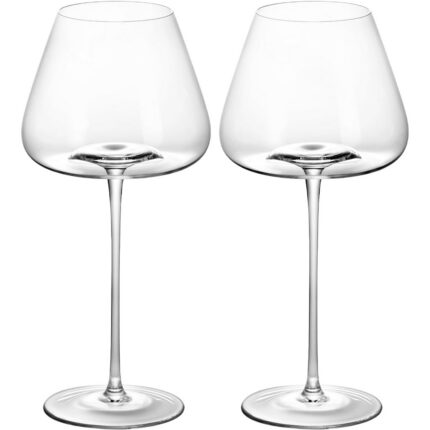
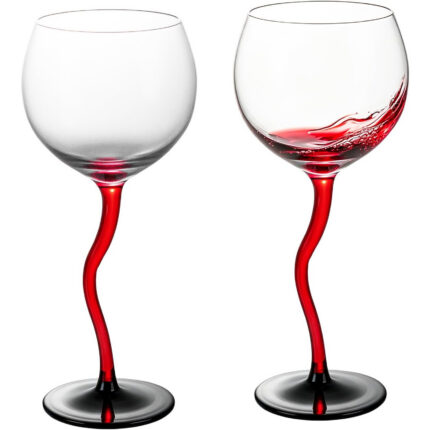
Hold a stemmed wine glass lightly around the middle or lower part of the stem with your thumb and two or three fingers. The base is also fine if it feels secure. Holding the bowl is not a disaster—it is useful for stemless glasses, extra stability, or gently warming a wine that is too cold.
Comfort first
Three practical ways to hold a stemmed wine glass
There is no need to force an uncomfortable pose. Choose the grip that gives you relaxed control without squeezing the glass.
Mid-stem grip
Pinch the stem lightly between your thumb and index finger, then let another finger rest beneath for support. This is the easiest everyday grip for carrying, sipping, and swirling.
Lower-stem grip
Move your fingers closer to the base when you want a little more distance from the bowl. It works well for seated tastings, but keep the grip loose so the glass remains easy to control.
Base grip
Rest your thumb on top of the foot and support it with one or two fingers underneath. This looks elegant, although it may feel less stable while walking or in a crowded room.
Do
- Keep your wrist and fingers relaxed.
- Choose a point on the stem that feels balanced.
- Use a firmer, safer hold when the setting requires it.
Avoid
- Squeezing the stem or twisting the glass in your hand.
- Holding so close to the bowl that your fingers touch it unnecessarily.
- Sacrificing stability simply to follow formal etiquette.
The useful reasons
Why the stem is a sensible default
Holding the stem is mainly about temperature, cleanliness, and control—not about proving that you know a rule.
Holding the bowl does not “ruin” the wine
It may gradually warm the wine and leave fingerprints, but it does not instantly spoil the taste. Context matters more than rigid etiquette.
Reasonable exceptions
When it is perfectly fine to hold the bowl
With a stemless glass: the bowl is the only practical place to hold it. Try to avoid wrapping your entire hand around the glass if temperature matters.
When the wine is too cold: cupping the bowl briefly can gently raise the temperature. WSET specifically notes this as a practical way to warm an over-chilled red wine.
When stability or accessibility matters: use the hold that is safest and most comfortable. A secure grip is more important than formal appearance.
Simple technique
How to swirl without spilling
Swirling increases the wine’s contact with air and releases volatile aromas. Small movements are enough.
Start on a flat surface
Place the base on a table and keep two fingers lightly on the foot or lower stem.
Draw small circles
Move the glass in a slow, compact circle for a few seconds. There is no need to spin quickly.
Lift, pause, and smell
Stop the glass before bringing it toward your nose. Once comfortable, repeat the same motion while holding the stem.
At a glance
Choose your grip for the situation
| Situation | Recommended grip | Why |
|---|---|---|
| Everyday drinking | Middle of the stem | Comfortable, clean, and easy to control. |
| Formal tasting | Lower stem or base | Minimises contact with the bowl and keeps the glass clear. |
| Wine served too cold | Bowl, briefly | Hand warmth can gently raise the temperature. |
| Stemless wine glass | Lower part of the bowl | Provides the most natural support while limiting full-hand contact. |
| Crowded or unsteady setting | Whichever grip feels safest | Stability should come before etiquette. |
From the KAMMAK collection
Stemmed glasses made for the table
Explore two clear, stemmed Bordeaux shapes that make the techniques in this guide easy to practise.
700 ml Hand-Blown Bordeaux Glasses
A generously proportioned stemmed set for red wine service.
View this glass →
Crystal Bordeaux Stemmed Glasses
A clear two-piece set with a classic stemmed silhouette.
View this glass →Common questions
Wine glass holding FAQ
Should you ever hold a wine glass by the bowl?
Yes. It is appropriate for stemless glasses, useful when a wine is too cold, and reasonable whenever it provides safer or more accessible handling. With a normally served stemmed glass, the stem is simply the most practical default.
Where on the stem should I hold the glass?
Anywhere from the middle to the lower part of the stem is fine. Choose the point where the glass feels balanced and your fingers remain relaxed.
Can I hold a wine glass by the base?
Yes. Pinching the base or supporting it from below can work well at a table or tasting. It may be less secure while walking, so use whichever grip gives you the best control.
How should I hold a stemless wine glass?
Hold the lower half of the bowl. If you want to reduce warming, use your fingertips and avoid cupping the glass with your whole hand for long periods.
Does holding the bowl change the taste?
Not immediately. Prolonged hand contact can warm the wine, and temperature can change how its aroma and flavour are perceived. The effect depends on the starting temperature, room temperature, and how long you hold it.
Sources: WSET, ideal serving temperatures; Australian Wine Research Institute, Advanced Wine Assessment Course notes.
Find a wine glass that feels right in your hand
Browse KAMMAK’s wine glass collection for stemmed shapes suited to relaxed dinners, tastings, celebrations, and gifting.
Shop all wine glassesSources and editorial notes
- Advanced Wine Assessment Course notes — Wine temperature can change aroma and flavour perception, and small chilled pours warm toward ambient temperature.
These sources support the specific general statements noted above; they do not certify the material, process, care, or performance of an individual KAMMAK product.