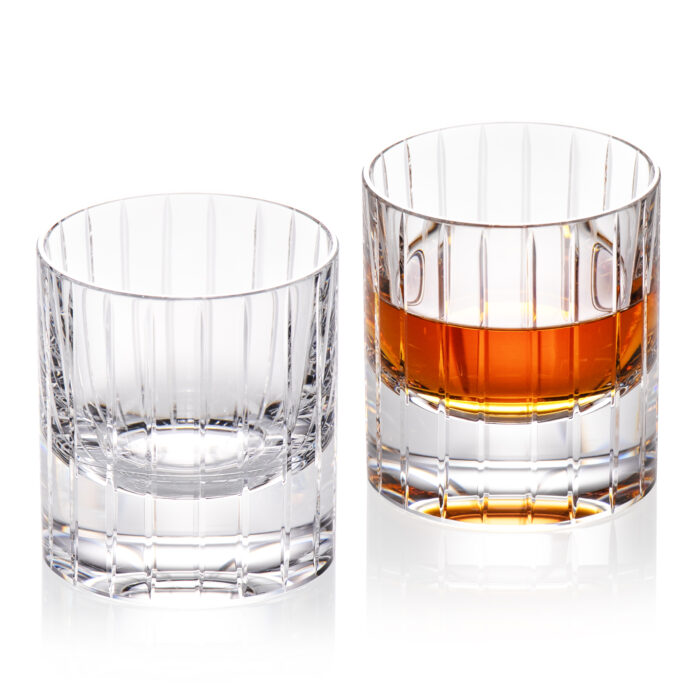
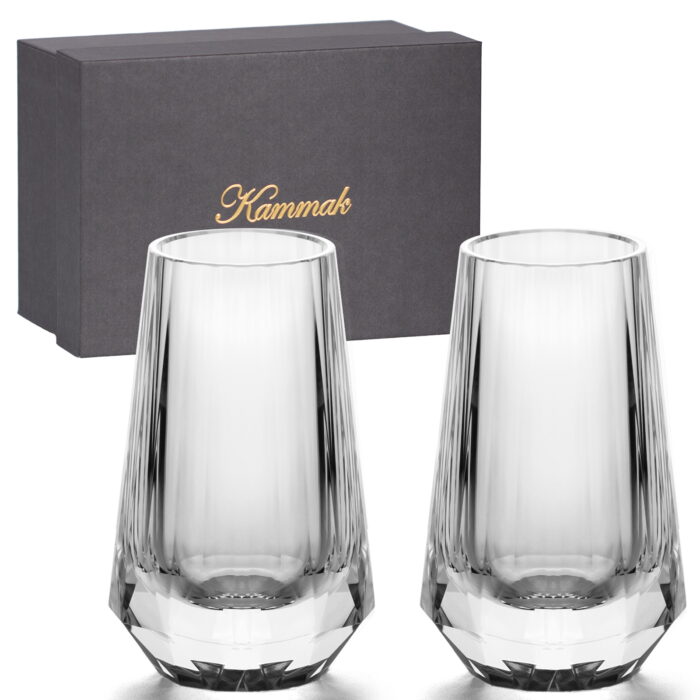
The Only 3 Whiskey Glasses You Really Need at Home

Whether you sip it neat, pour it over ice, or mix it with soda, the right glass makes whiskey feel a little more considered.
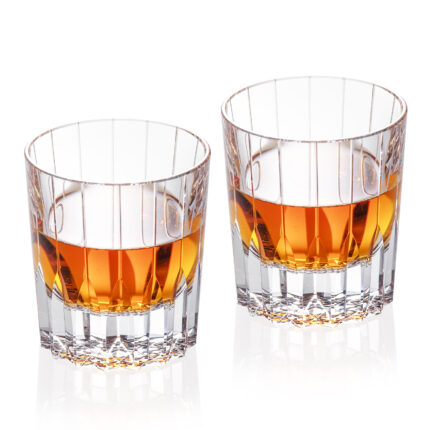
Crystal whiskey glasses with amber whiskey

You do not need a complicated bar setup to enjoy whiskey at home.

A few good glasses can cover almost every way people actually drink whiskey: neat, on the rocks, or mixed into a crisp highball. The trick is choosing glassware that fits the drink, not just the shelf.

Here are the three whiskey glasses worth keeping within reach.

1. For Sipping Neat: The Tulip Glass

When you want to slow down and actually taste the whiskey, reach for a tulip glass.

Its shape is simple but purposeful: a rounded bowl gives the whiskey room to open up, while the narrower rim helps gather the aroma. That makes it easier to pick up the details that make whiskey interesting, like vanilla, oak, honey, spice, dried fruit, smoke, or malt.

This is the glass to use when you are pouring a single malt, trying something new, or simply having one good drink at the end of the day.

Best for: Neat whiskey, tasting pours, single malt, small-batch bottles, and slower sipping.

2. For Ice: The Old Fashioned Glass

The old fashioned glass is the one most people picture when they think of whiskey at home.

Short, sturdy, and easy to hold, it is made for whiskey over ice. The wide opening leaves room for a large cube or ice ball, and the heavier base gives the drink that classic, grounded feel.

It is also the glass you will use for cocktails like an Old Fashioned, Boulevardier, or any short drink you want to stir and serve over ice.

Best for: Whiskey on the rocks, large ice cubes, Old Fashioned cocktails, and everyday home bar use.

3. For Highballs: The Highball Glass

Some nights call for something lighter.

A highball glass is made for tall, refreshing drinks with plenty of ice. Add whiskey, top it with soda water or ginger ale, and you have an easy drink that works well with dinner, warm weather, or a casual night with friends.

The taller shape gives the drink room to stay cold, bubbly, and balanced without feeling crowded.

Best for: Whiskey highballs, whiskey soda, whiskey ginger, long drinks, and casual cocktails.

A Simple Guide

If you usually drink… Choose this glass Why it works
Whiskey neat Tulip Glass Helps concentrate aroma
Whiskey with ice Old Fashioned Glass Leaves room for large cubes
Whiskey with soda or ginger ale Highball Glass Built for tall, refreshing drinks

Start With How You Actually Drink

The best whiskey glass is the one that fits your routine.

If you like to sip slowly, start with a tulip glass. If you usually add ice, an old fashioned glass will get the most use. If your go-to drink is whiskey and soda, the highball glass is the one to keep close.

You do not need every glass in the bar world. You just need the right glass for the pour in front of you.

Shop Whiskey Glasses

Choose the glass that matches the way you drink.
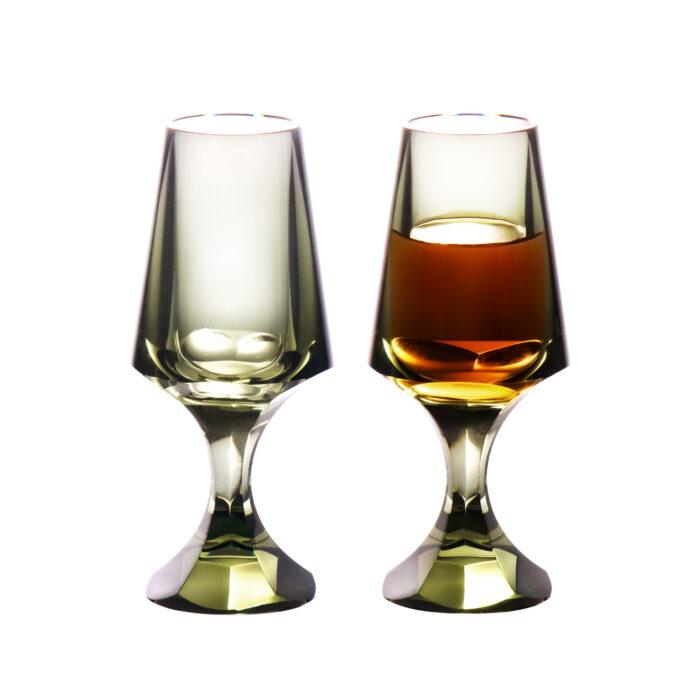
Tulip glass for sipping whiskey neat

Tulip Glass

For neat pours and tasting.

Shop Tulip Glass
Old fashioned glass with whiskey and ice

Old Fashioned Glass

For whiskey on the rocks and classic cocktails.

Shop Old Fashioned Glass
Highball glass with whiskey soda and ice

Highball Glass

For whiskey soda, ginger, and highballs.

Shop Highball Glass
.kammak-blog { –ink: #172024; –muted: #5b686f; –line: #e1e6e3; –soft: #f6f8f6; –brass: #b98938; –deep: #142024; max-width: 1180px; margin: 0 auto; padding: 58px 22px 84px; background: linear-gradient(180deg, #f6f8f6 0, #ffffff 470px); color: var(–ink); font-family: Arial, Helvetica, sans-serif; } .kammak-blog * { box-sizing: border-box; } .kammak-hero { display: grid; grid-template-columns: minmax(0, 1fr) 340px; gap: 38px; align-items: center; padding: 44px; border-radius: 8px; background: var(–deep); color: #fff; box-shadow: 0 24px 70px rgba(23, 32, 36, 0.16); text-align: left; } .kammak-hero h1 { max-width: 710px; margin: 0; color: #fff; font-family: Georgia, “Times New Roman”, serif; font-size: 48px; font-weight: 700; line-height: 1.08; letter-spacing: 0; } .kammak-subtitle { max-width: 660px; margin: 18px 0 0; color: rgba(255, 255, 255, 0.78); font-size: 18px; line-height: 1.72; } .kammak-hero-media { grid-column: 2; grid-row: 1 / span 2; display: grid; place-items: center; min-height: 330px; margin: 0; overflow: hidden; border-radius: 8px; background: #fbfbf8; } .kammak-hero-media img { display: block; width: 100%; height: 100%; max-height: 360px; padding: 26px; object-fit: contain; } .kammak-content { max-width: 830px; margin: 48px auto 0; } .kammak-content p { margin: 0 0 17px; color: #3e4d53; font-size: 17px; line-height: 1.78; } .kammak-content > p:first-child { padding: 24px 28px; border: 1px solid var(–line); border-left: 4px solid var(–brass); border-radius: 8px; background: #f8faf8; color: #35444a; font-size: 19px; } .kammak-content h2, .kammak-shop-section h2 { margin: 42px 0 14px; color: var(–ink); font-family: Georgia, “Times New Roman”, serif; font-size: 29px; font-weight: 700; line-height: 1.2; } .kammak-content strong { color: var(–ink); font-weight: 850; } .kammak-table-wrap { margin: 24px 0 34px; overflow-x: auto; border: 1px solid var(–line); border-radius: 8px; background: #fff; } .kammak-table { width: 100%; min-width: 640px; border-collapse: separate; border-spacing: 0; font-size: 15px; } .kammak-table th, .kammak-table td { padding: 14px 16px; border-right: 1px solid var(–line); border-bottom: 1px solid var(–line); text-align: left; vertical-align: top; } .kammak-table th:last-child, .kammak-table td:last-child { border-right: 0; } .kammak-table tr:last-child td { border-bottom: 0; } .kammak-table th { background: var(–deep); color: #fff; font-size: 12px; font-weight: 900; text-transform: uppercase; } .kammak-shop-section { margin: 56px auto 0; padding: 36px; border: 1px solid var(–line); border-radius: 8px; background: #f6f8f6; } .kammak-shop-section h2 { margin-top: 0; text-align: center; } .kammak-shop-intro { max-width: 520px; margin: 0 auto 26px; color: var(–muted); font-size: 16px; line-height: 1.6; text-align: center; } .kammak-glass-grid { display: grid; grid-template-columns: repeat(3, minmax(0, 1fr)); gap: 18px; } .kammak-glass-card { display: grid; grid-template-rows: auto 1fr; min-width: 0; overflow: hidden; border: 1px solid var(–line); border-radius: 8px; background: #fff; box-shadow: 0 16px 38px rgba(23, 32, 36, 0.06); } .kammak-glass-card > a { display: block; background: #fbfbf8; } .kammak-glass-card img { display: block; width: 100%; aspect-ratio: 1 / 1; padding: 18px; object-fit: contain; } .kammak-glass-card-content { display: grid; align-content: start; padding: 22px; text-align: left; } .kammak-glass-card h3 { margin: 0 0 8px; color: var(–ink); font-size: 21px; font-weight: 850; line-height: 1.25; } .kammak-glass-card p { margin: 0 0 18px; color: var(–muted); font-size: 15px; line-height: 1.55; } .kammak-glass-button { display: inline-flex; align-items: center; justify-content: center; width: fit-content; min-height: 40px; margin-top: auto; padding: 10px 15px; border-radius: 4px; background: var(–deep); color: #ffffff !important; font-size: 12px; font-weight: 900; line-height: 1.2; text-decoration: none; text-transform: uppercase; } .kammak-glass-button:hover { background: var(–brass); color: #ffffff !important; } @media screen and (max-width: 900px) { .kammak-hero { grid-template-columns: 1fr; padding: 34px 28px; } .kammak-hero-media { grid-column: 1; grid-row: auto; min-height: 280px; } .kammak-hero h1 { font-size: 40px; } .kammak-glass-grid { grid-template-columns: 1fr; } } @media screen and (max-width: 640px) { .kammak-blog { padding: 34px 18px 58px; } .kammak-hero { gap: 24px; padding: 26px 20px; } .kammak-hero h1 { font-size: 32px; } .kammak-subtitle, .kammak-content p, .kammak-content > p:first-child { font-size: 16px; } .kammak-content h2, .kammak-shop-section h2 { font-size: 24px; } .kammak-shop-section { padding: 24px 18px; } .kammak-glass-card-content { padding: 20px; } }

Sources and editorial notes

These sources support the specific general statements noted above; they do not certify the material, process, care, or performance of an individual KAMMAK product.

Leave a Reply